5210+ Every Day
Parents and caregivers are imperative in teaching and demonstrating healthy choices for children and adolescents. One example of teaching parents/caregivers about healthy lifestyles is through the 5-2-1-0+ Every Day approach. The 5-2-1-0+ Every Day approach is a public health initiative aimed at promoting healthy lifestyles among children and families. This simple, easy-to-remember formula encourages balanced nutrition, regular exercise, and overall wellness, helping to prevent childhood obesity and related health issues. By following the 5-2-1-0+ Every Day guidelines, children and families can develop healthy habits that contribute to their long-term physical and emotional well-being.
Community partners can also attend a training to implement within their own organization. The program includes 4 lessons that can be taught either individually or in a classroom environment. The training provides an overview of the lessons and the materials so you can bring this helpful content to your organization
5210+ Every Day (english)
5 or more servings of fruits and vegetables
Eating more fruits and vegetables provides important nutrients your body and mind need.
Keep it simple:
- Buy fruits and vegetables that are in season.
- Let your child pick out a new fruit or vegetable to try when grocery shopping.
2 hours or less of recreational screen time
Reduced time on screens gives you more time for friends, family and sleep.
Ways to unplug from screens:
- Plan family outings, game or movie nights.
- Get more exercise, either outside or inside.
- Read, journal or try arts and crafts.
- Call friends and family to reconnect
1 hour or more of physical activity
Exercise helps your body stay flexible and strong.
Ideas to get moving:
- Take the stairs.
- Take a walk with your family.
- Park your car at the back of the parking lot.
- Play with your pet.
- Go on a bike ride.
0 sugary drinks, more water and low-fat milk
Reducing sugary drinks and drinking more water helps keep teeth healthy and your body hydrated. We need six to eight glasses of water a day!
Drink Water:
- When you wake up
- With every meal and snack
- When exercising
+ 10-12 hours of sleep every night
Quality sleep is important for the mind to focus and learn. Preschool and school-age children need an average of 10-12 hours of sleep every night.
- Practice a regular and relaxing bedtime routine
- End screen time an hour before bedtime
- Limit sugar or caffeine before bedtime
- Adjust bedroom light,m noise and temperature for comfort
5210+ Every Day (Español)
5 o más porciones de frutas y verduras
Comer más frutas y verduras aporta nutrientes importantes que tu cuerpo y mente necesitan.
Hazlo simple:
- Compra frutas y verduras de temporada.
- Deja que tu hijo elija una fruta o verdura nueva para probar cuando haga la compra.
2 horas o menos de tiempo recreativo frente a una pantalla
Reducir el tiempo frente a las pantallas te da más tiempo para tus amigos, familia y para dormir.
Maneras de desconectarte de las pantallas:
- Planifica salidas familiares, noches de juegos o películas.
- Haz más ejercicio, ya sea al aire libre o en casa.
- Lee, escribe un diario o haz manualidades.
- Llama a tus amigos y familiares para reconectar.
1 hora o más de actividad física
El ejercicio ayuda a mantener el cuerpo flexible y fuerte.
Ideas para empezar a moverte:
- Usa las escaleras.
- Sal a caminar con tu familia.
- Estaciona el auto al fondo del estacionamiento.
- Juega con tu mascota.
- Sal a dar un paseo en bicicleta.
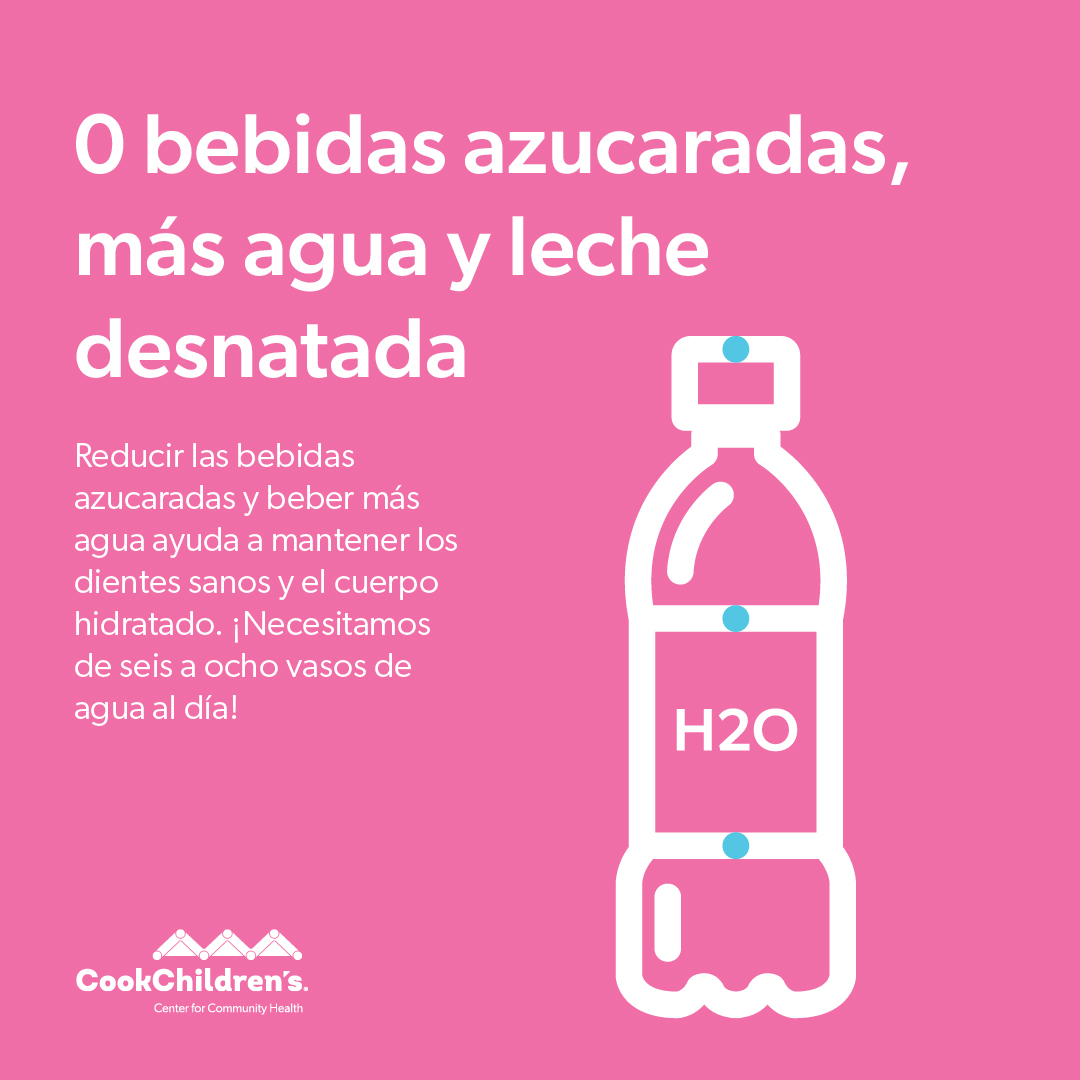
0 bebidas azucaradas, más agua y leche baja en grasa
Reducir el consumo de bebidas azucaradas y beber más agua ayuda a mantener los dientes sanos y el cuerpo hidratado. ¡Necesitamos de seis a ocho vasos de agua al día!
Bebe agua:
- Al despertar
- Con cada comida y refrigerio
- Al hacer ejercicio
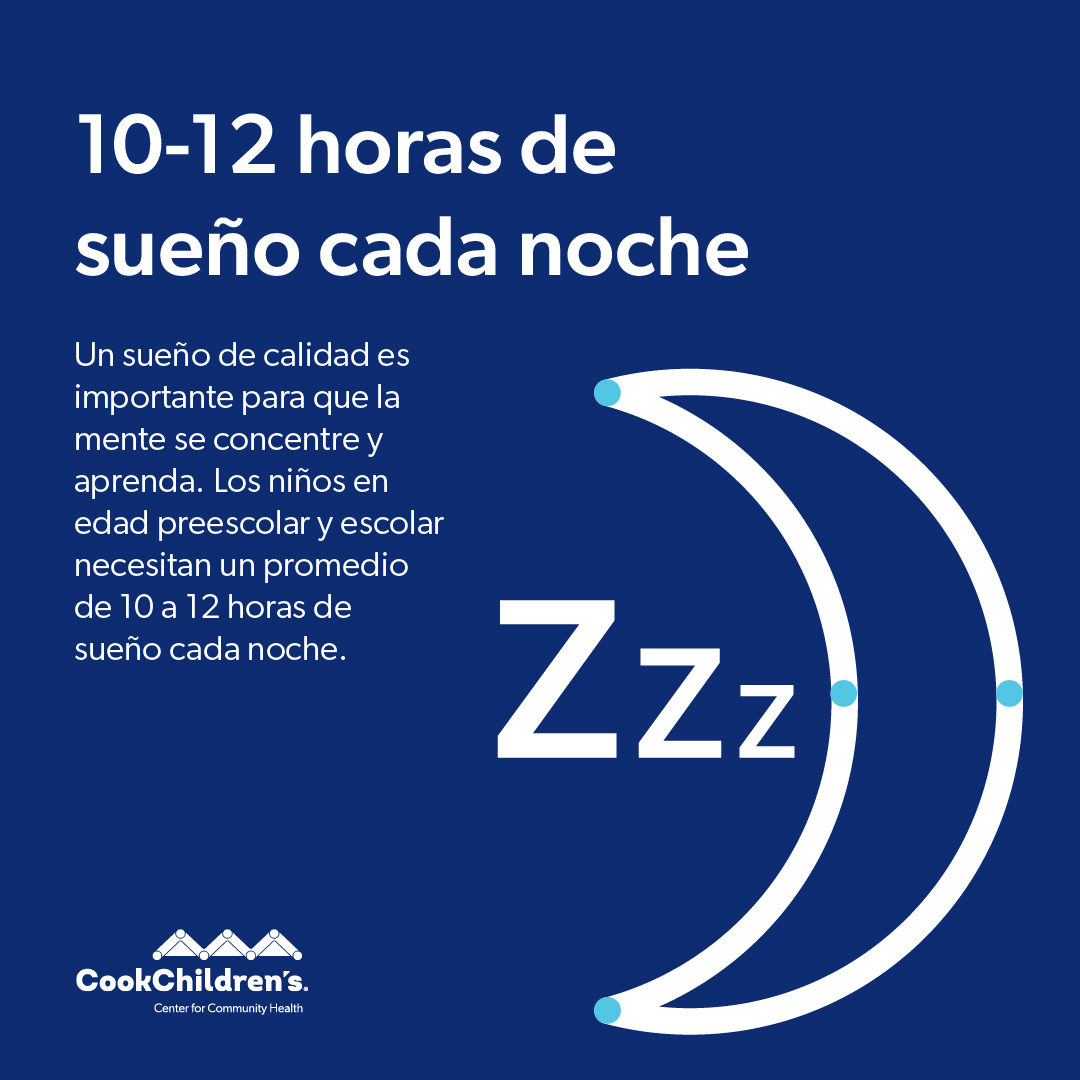
+ 10-12 horas de sueño cada noche
Un sueño de calidad es importante para que la mente se concentre y aprenda. Los niños en edad preescolar y escolar necesitan un promedio de 10 a 12 horas de sueño cada noche.
- Practique una rutina regular y relajante para la hora de dormir.
- Deje de usar pantallas una hora antes de acostarse.
- Limite el consumo de azúcar o cafeína antes de acostarse.
- Ajuste la luz, el ruido y la temperatura del dormitorio para mayor comodidad.
Go, Slow and Whoa (english)
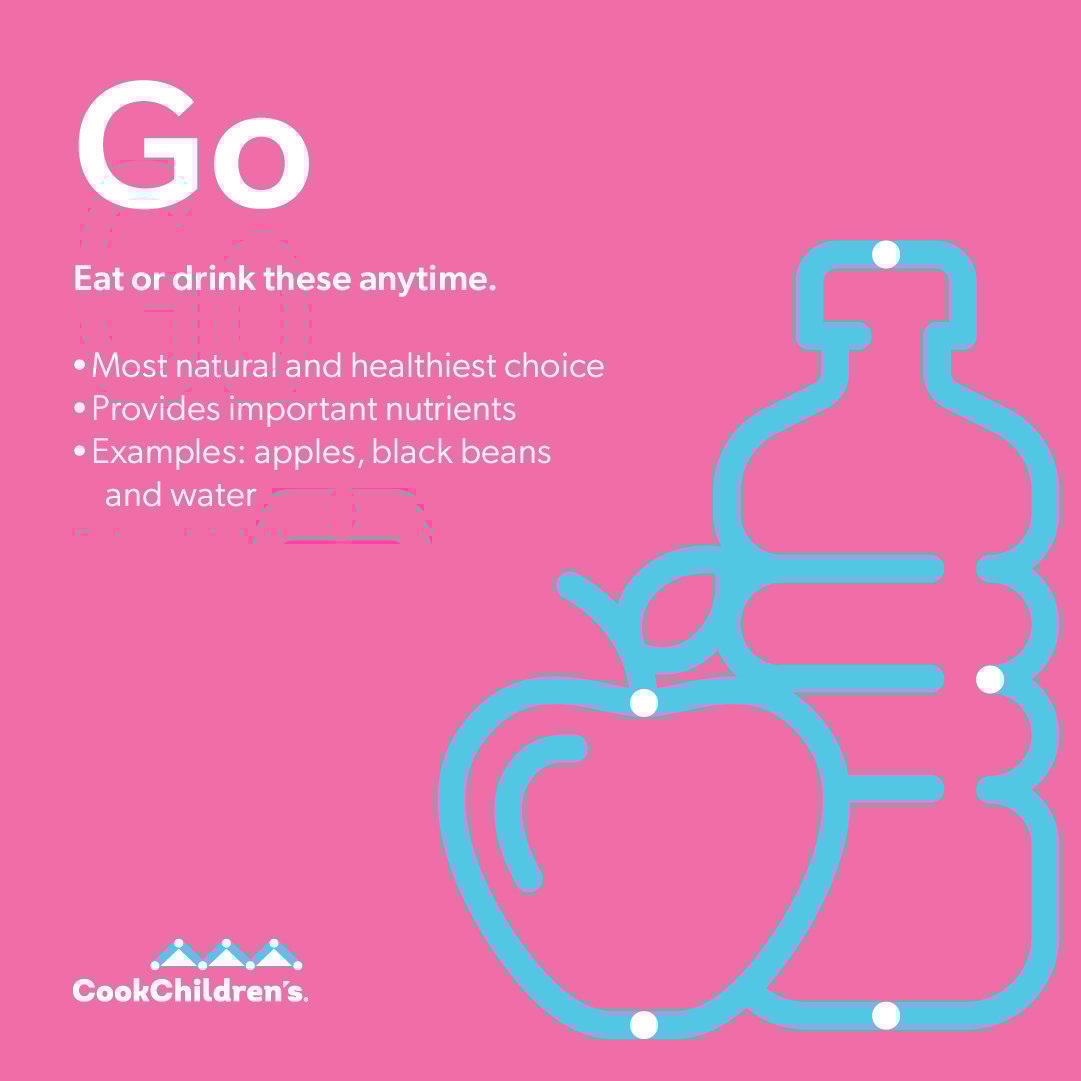
Anytime
GO foods – nutrient dense foods that usually contain the smallest amount of salt, added sugars, unhealthy kinds of fat and no preservatives. A few examples of GO foods that you can eat or drink anytime are: apples, black beans and water.
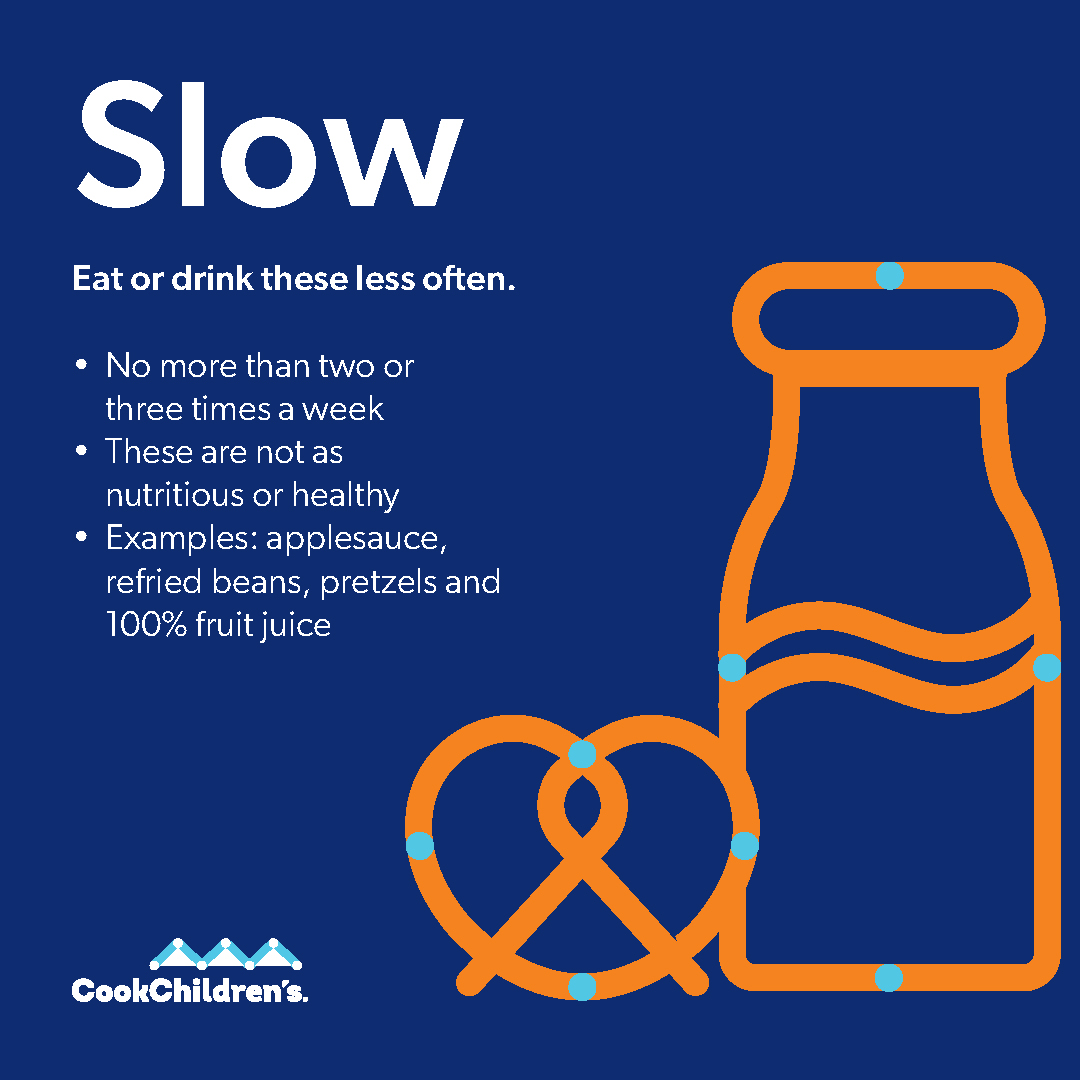
2 or 3 times a week
SLOW foods - foods that usually contain a little more sugar, salt, and unhealthy fats and preservatives that would not be found in a GO food. A serving size of a SLOW food can be eaten 2 or 3 times a week. A few examples of SLOW foods are: applesauce, refried beans, pretzels and 100% apple juice.
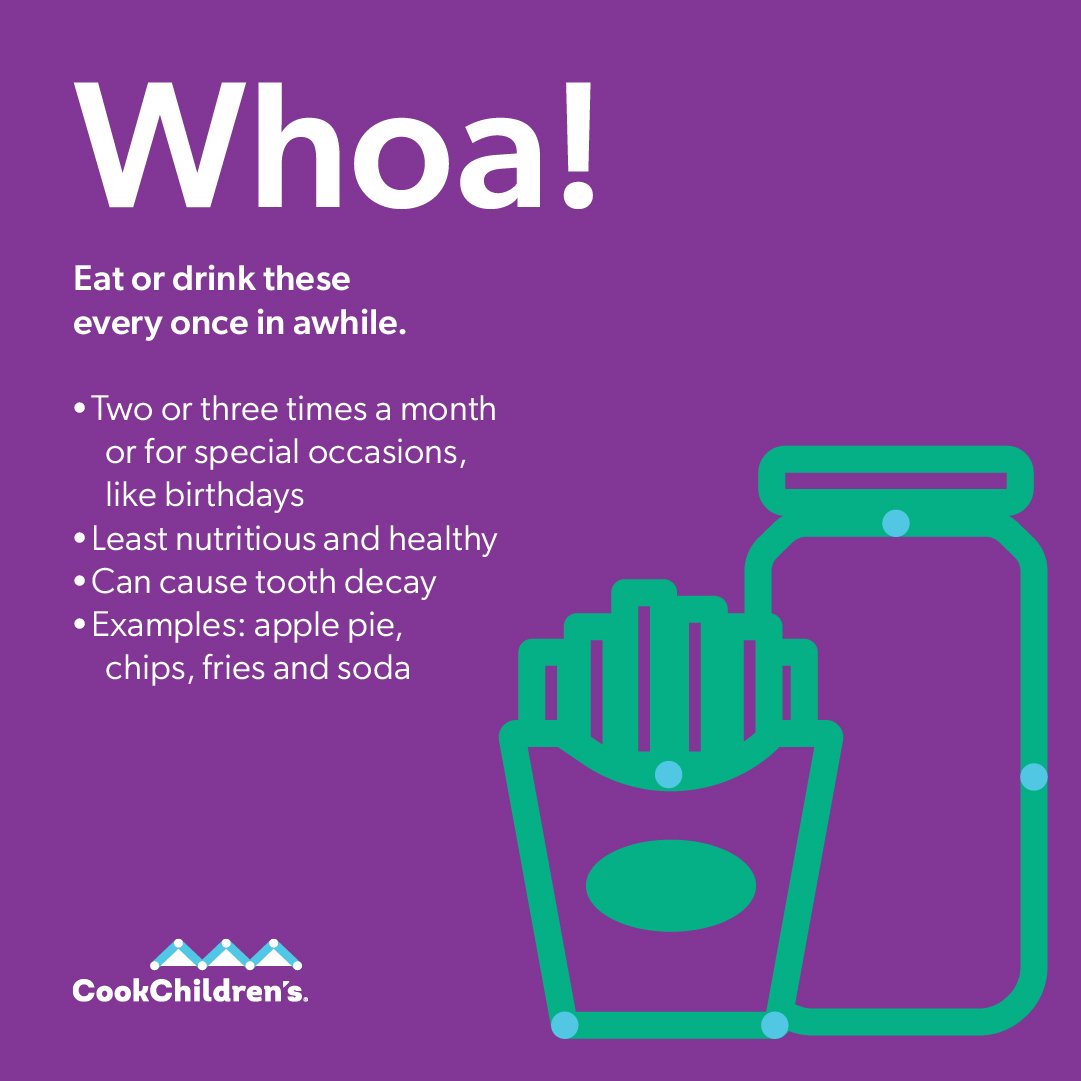
2 or 3 times a month
WHOA foods - foods that contain a lot of sugar, salts, unhealthy fats and preservatives than both the GO and SLOW foods. A serving size of a WHOA food can be eaten 2 or 3 times a month. A few examples of WHOA foods are: apple pie, chips, fries and soda.
Mucho, poco, muy poco (español)
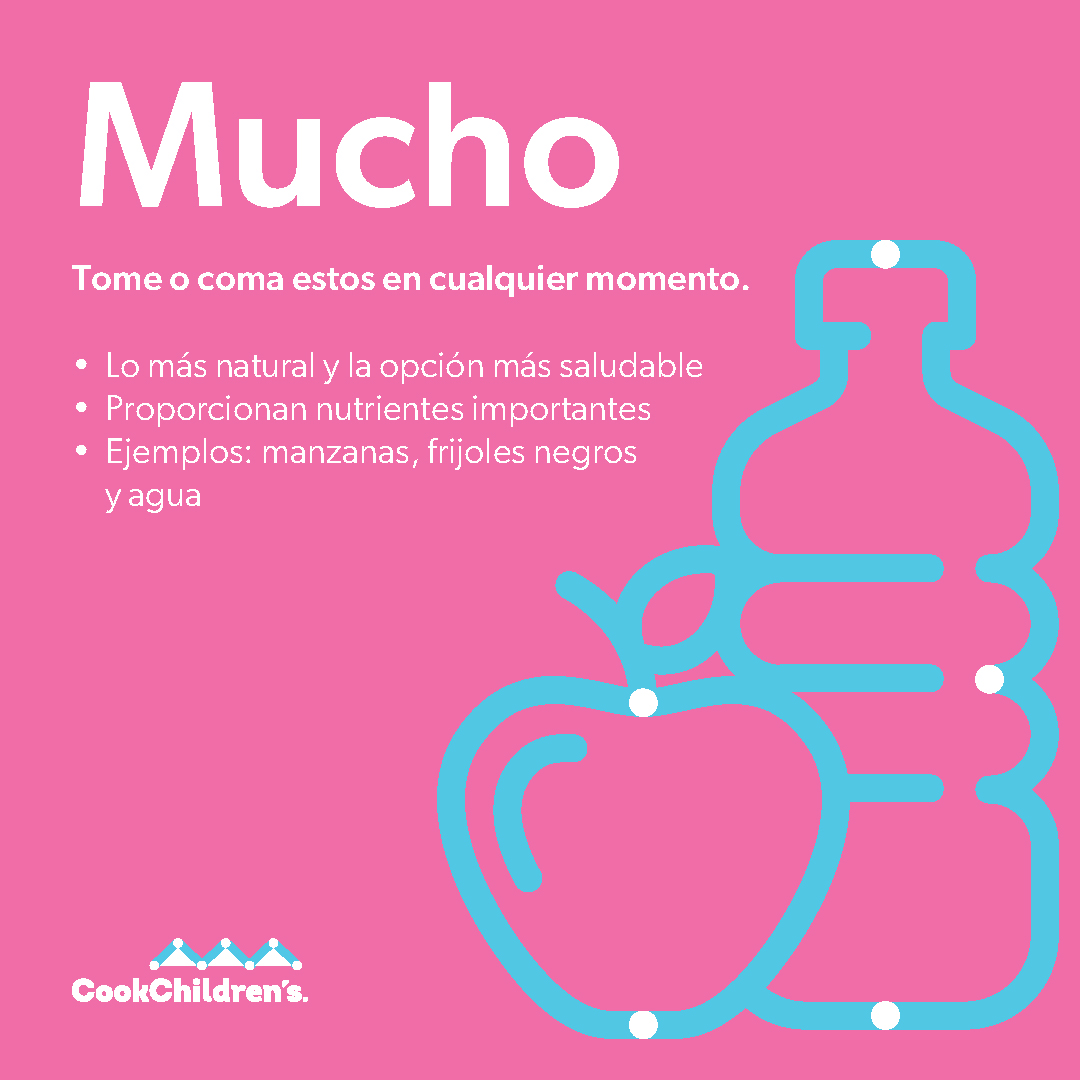
Alimentos diarios
Alimentos de alta calidad- alimentos ricos en nutrientes que suelen contener la menor cantidad de sal, azúcares añadidos, grasas no saludables y sin conservantes. Algunos ejemplos de alimentos de alta calidad que puedes comer o beber en cualquier momento son: manzanas, frijoles negros y agua.
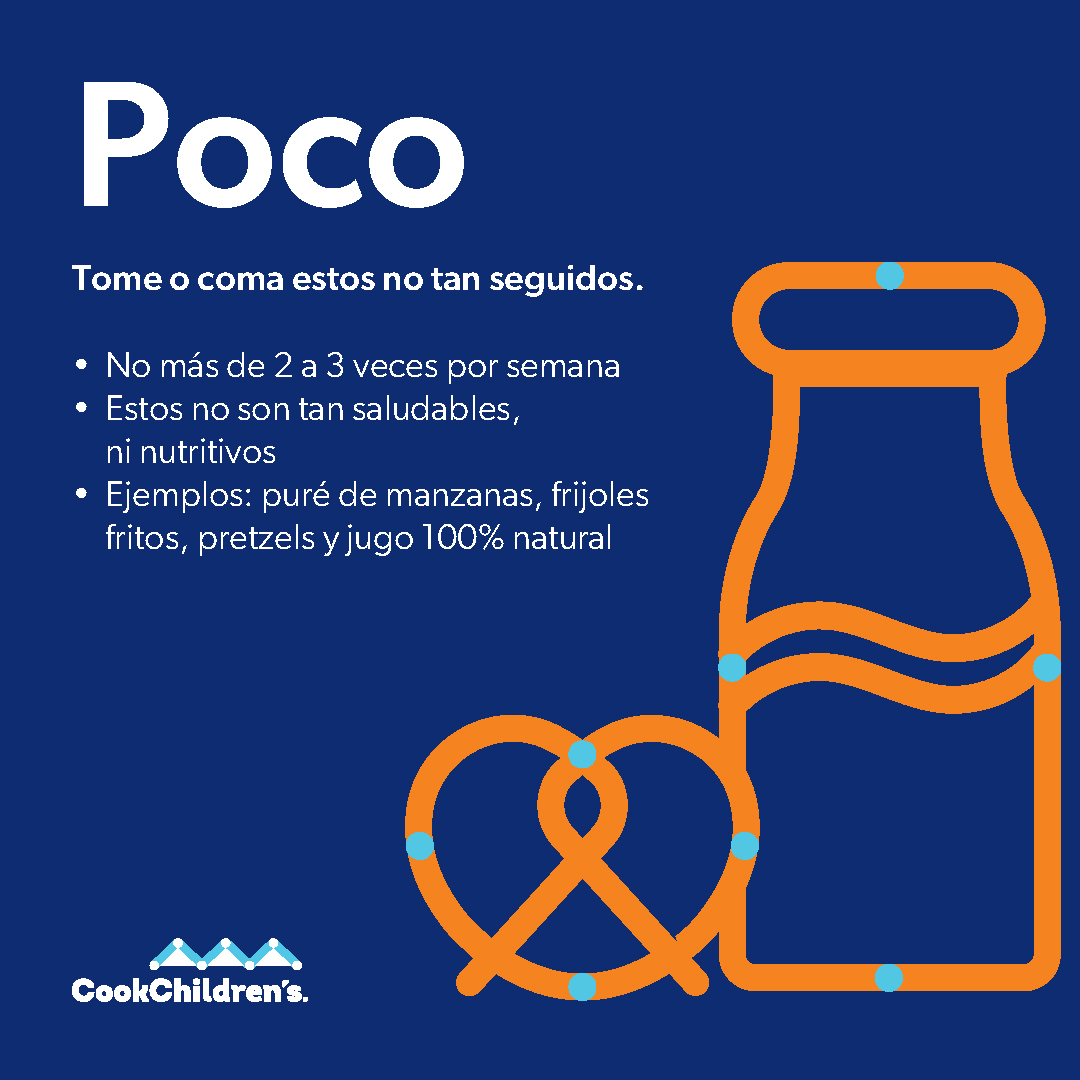
2 o 3 veces por semana
Poco alimentos - alimentos que suelen contener un poco más de azúcar, sal, grasas no saludables y conservantes que no se encuentran en una comida rápida. Una porción de comida lenta se puede consumir 2 o 3 veces por semana. Algunos ejemplos de comidas lentas son: puré de manzana, frijoles refritos, pretzels y jugo de manzana 100 % natural.
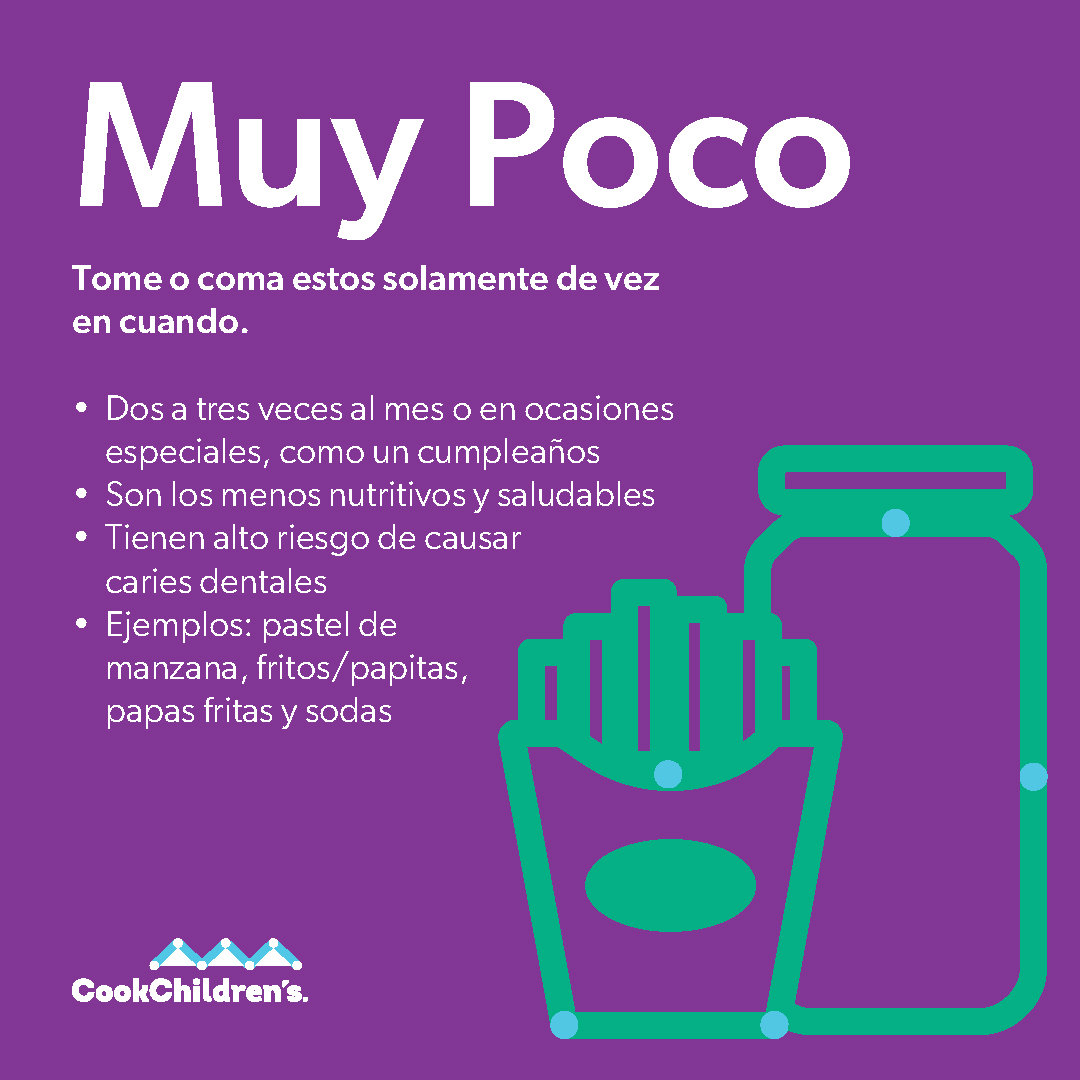
2 o 3 veces al mes
Muy Poco alimentos -alimentos que contienen más azúcar, sales, grasas no saludables y conservantes que los alimentos GO y SLOW. Una porción de un alimento WHOA se puede consumir 2 o 3 veces al mes. Algunos ejemplos de alimentos WHOA son: pastel de manzana, papas fritas y refrescos.
Contact us about our program
For questions or information on 5210+ Every Day, please contact emily.russell@cookchildrens.org .

Access free resources
The Center for Community Health is committed to providing free education and access to our data.