Lifeguard Your Child
Skip to content
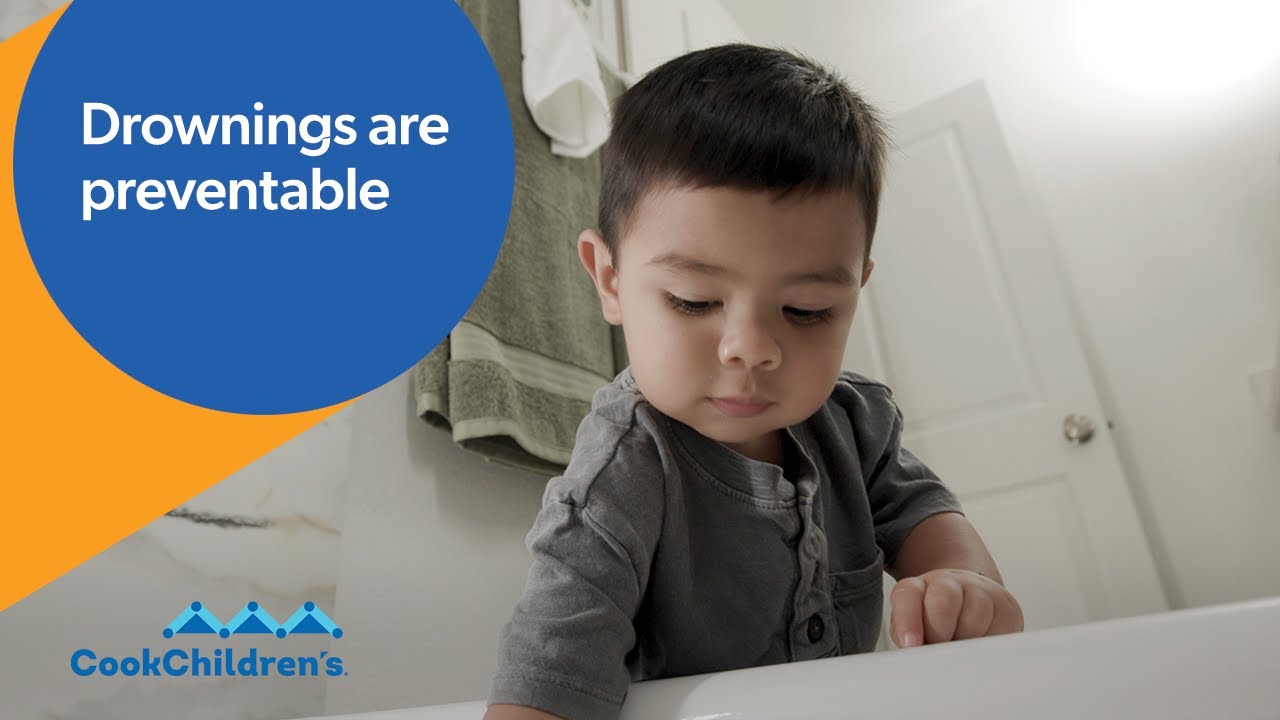

Drowning is a leading cause of unintentional injury, with children between the ages 1 to 4 at the highest risk. In drowning incidents, every second counts; it is silent and can happen in an instant.
Prevention tips
- Always ensure an adult stays at the side of the tub, in reach of the child.
- Safe proof your home to prevent young children from accessing the bathroom without an adult.
- If you have to leave during bath time, wrap your child in a towel and take them with you.
- Have a safety plan in place. We recommend a "toe in/vest on" policy, in or out of the boat. If a toe is in the water, a life jacket goes on.
- Know the water conditions. Water conditions in lakes and oceans can change on a daily basis. It's important to kow the condition of the water before getting in.
- Schedule water safety and swim lessons. Drownings are 8 times more likely to happen to children that don't know how to swim or are being supervised by adults that don't know how to swim.
- Insist on adult, non-distracted Water Watchers.
- Children drown silently, so designate a Water Watcher to watch children in and around all water.
2. Wear life vest with U.S Coast Guard-approved labels
- If your child’s lifejacket doesn’t say “US Coast Guard Approved” or “USCG approved,” you can assume it’s not safe. Always check the label.
3. Take family CPR lessons
- Learning CPR can be the difference between life and death while waiting for emergency personnel to arrive.
Water safety club
Sign up for our quarterly newsletter by contacting injury.prevention@cookchildrens.org.
Loaner life jacket stations
Learn more about our stations.
Contact us about our program
For questions or information on drowning prevention and Lifeguard Your Child, contact injury.prevention@cookchildrens.org.
Want to know more about Lifeguard Your Child?
Access free resources
The Center for Community Health is committed to providing free education and access to our data.